
Technical Notes/Melting2026-11-15
VIM, ESR or VAR: Choosing Between Three Melting Routes
The same grade melted by VIM, ESR or VAR differs by an order of magnitude in cleanliness, segregation and cost. Understanding the trade-offs keeps "double/triple melting" from being a slogan.
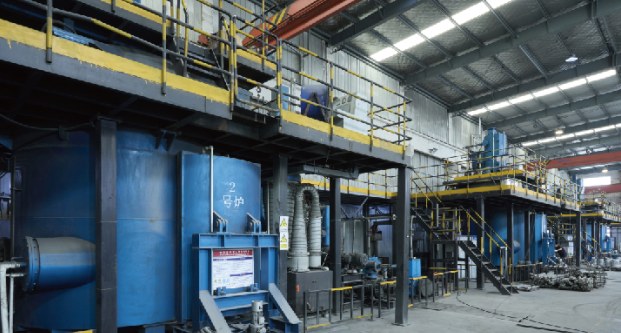
The performance floor of a superalloy is set by chemistry; the ceiling by cleanliness and homogeneity. Melting routes control both. The common combinations are VIM (vacuum induction melting), ESR (electroslag remelting) and VAR (vacuum arc remelting).
VIM: the first gate on gases and reactive elements
Melting under vacuum removes oxygen, nitrogen and hydrogen and pins reactive elements such as Al and Ti precisely. The drawback is ingot segregation and coarse structure, so VIM typically serves as the first step that feeds clean electrodes to remelting.
ESR: inclusion removal and better solidification
Electroslag remelting refines through a molten slag that absorbs non-metallic inclusions, while the water-cooled mold gives directional solidification and less segregation. It is the workhorse route for many corrosion-resistant alloys and medium bar sizes — at the cost of tight slag and process windows.
VAR: the last word for large ingots
Vacuum arc remelting solidifies layer by layer under vacuum, giving dense, controlled structure for larger diameters and rotating parts with strict macro requirements. Aerospace grades often use the full VIM+ESR+VAR triple route to cover all three jobs.
What to ask when buying
Do not just ask "is it vacuum melted". Ask for the route, ingot size and weight, whether ESR/VAR was used, the macro- and micro-inspection items, and whether sampling is per heat or per batch. Routes differ enough that the same grade can vary 30% in cleanliness and price — stating the end use (rotating, structural, corrosion) makes the route choice defensible.
This article is a general technical note on materials and processing; cited standards are public standard numbers. Specific grades, sizes and acceptance items are subject to the technical agreement confirmed by both parties.